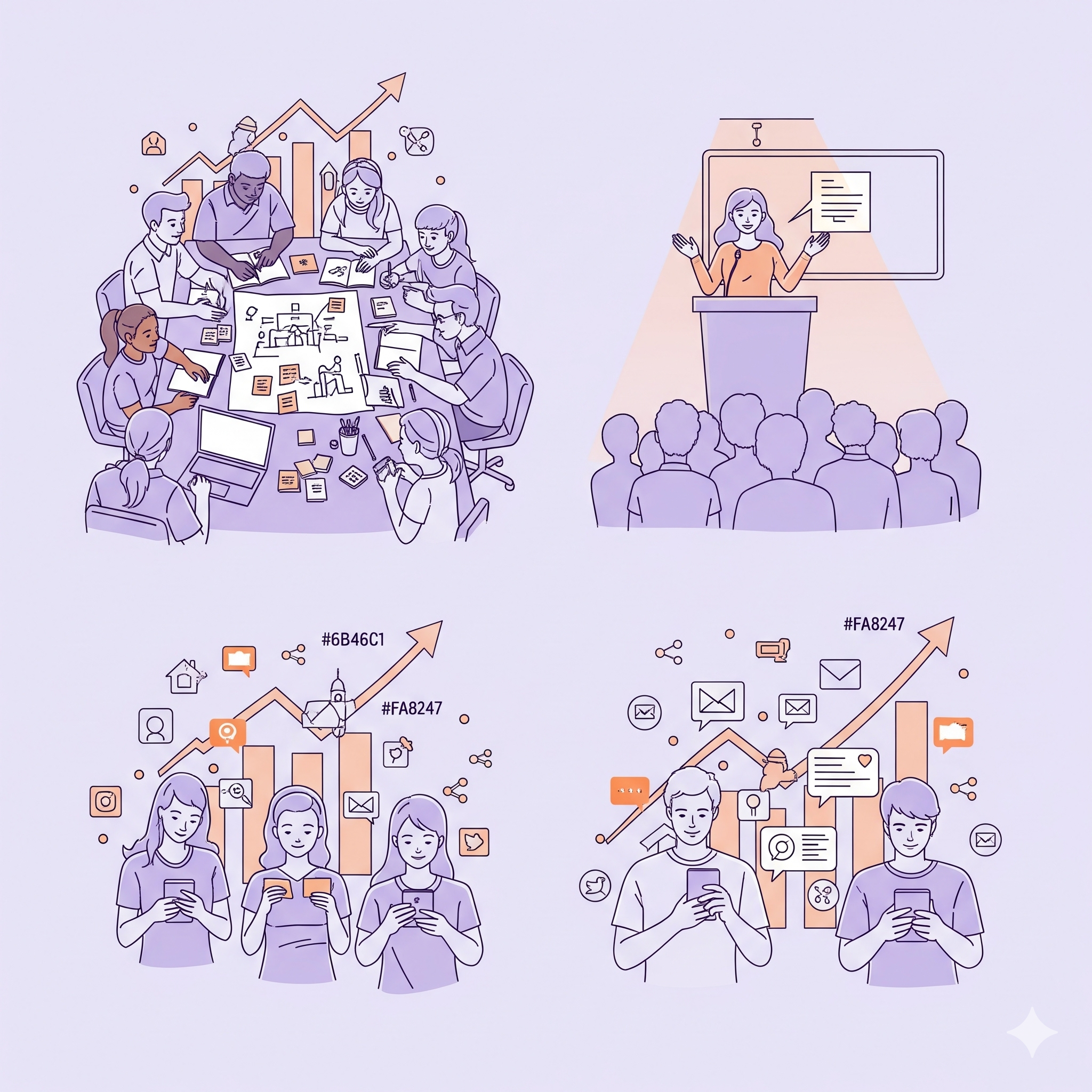
We had a group of young volunteers who had worked with us on various events over several years. Initially, they were mostly treated as reliable event help -- setup, registration, and basic logistical tasks. We appreciated their enthusiasm, but we hadn't fully recognized the untapped potential they represented.
That changed when we made the decision to involve them much more deeply in planning. Instead of assigning them tasks, we invited them into decision-making roles to help us brainstorm, evaluate, and plan the events. Instead of managing their contributions, we asked for their creative input and leadership.
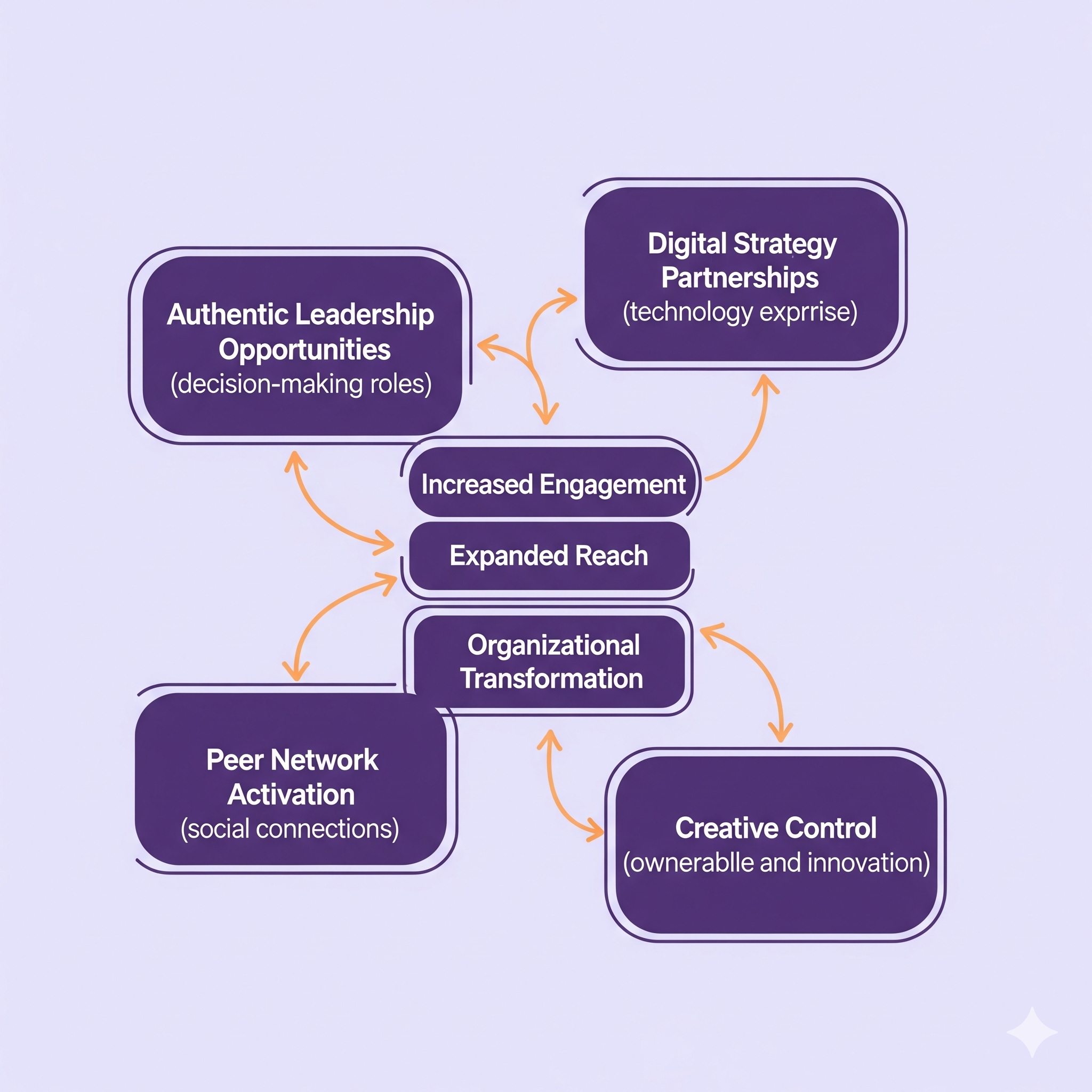
The results were remarkable. They brought in a completely new level of social media expertise that we hadn't even realized we needed. They identified local connections and partnership opportunities that we didn't know existed. Most importantly, they created opportunities for exposure and audience engagement that we had never previously had access to.
Their involvement fundamentally changed the entire atmosphere and effectiveness of our events. We expanded to reach new audiences we had never been able to connect with before, proving that young people weren't just willing helpers but genuine assets to the planning process.
It made me realize how much the usual approach sells everyone short. Most nonprofits are grateful for young volunteers' time but reluctant to give them meaningful responsibility. The unspoken assumption is that they need to earn their way up through years of grunt work before being trusted with anything important. Meanwhile, the young people who showed up excited to make a difference get bored and leave.
This pattern ignores what younger volunteers actually bring to the table. They understand social media natively. They have peer networks that organizations spend thousands of dollars trying to reach through advertising. They see opportunities that people who have been doing things the same way for years simply miss.
The turning point for us wasn't a framework or a strategy document. It was a simple shift in attitude: we stopped thinking of our young volunteers as people who needed direction and started thinking of them as people who could provide it.
Once we made that shift, the changes happened fast. Our social media presence went from stale organizational posts to content that people actually shared. Event attendance grew because the volunteers were personally inviting their networks and those invitations carried weight in a way that our email blasts never did. The energy at events changed too -- when young people feel ownership over something, that enthusiasm is contagious.
We also noticed something we didn't expect: the older, more experienced team members got energized too. Working alongside young people who were genuinely excited brought fresh perspective to staff who had been running the same playbook for years.
The biggest lesson from this experience was how little it actually cost us to make the change. We didn't need a new budget line or a consultant. We just needed to pull a few more chairs up to the planning table and be willing to listen. The young volunteers had been ready all along -- we were the ones who needed to catch up. When we finally did, the results spoke for themselves.