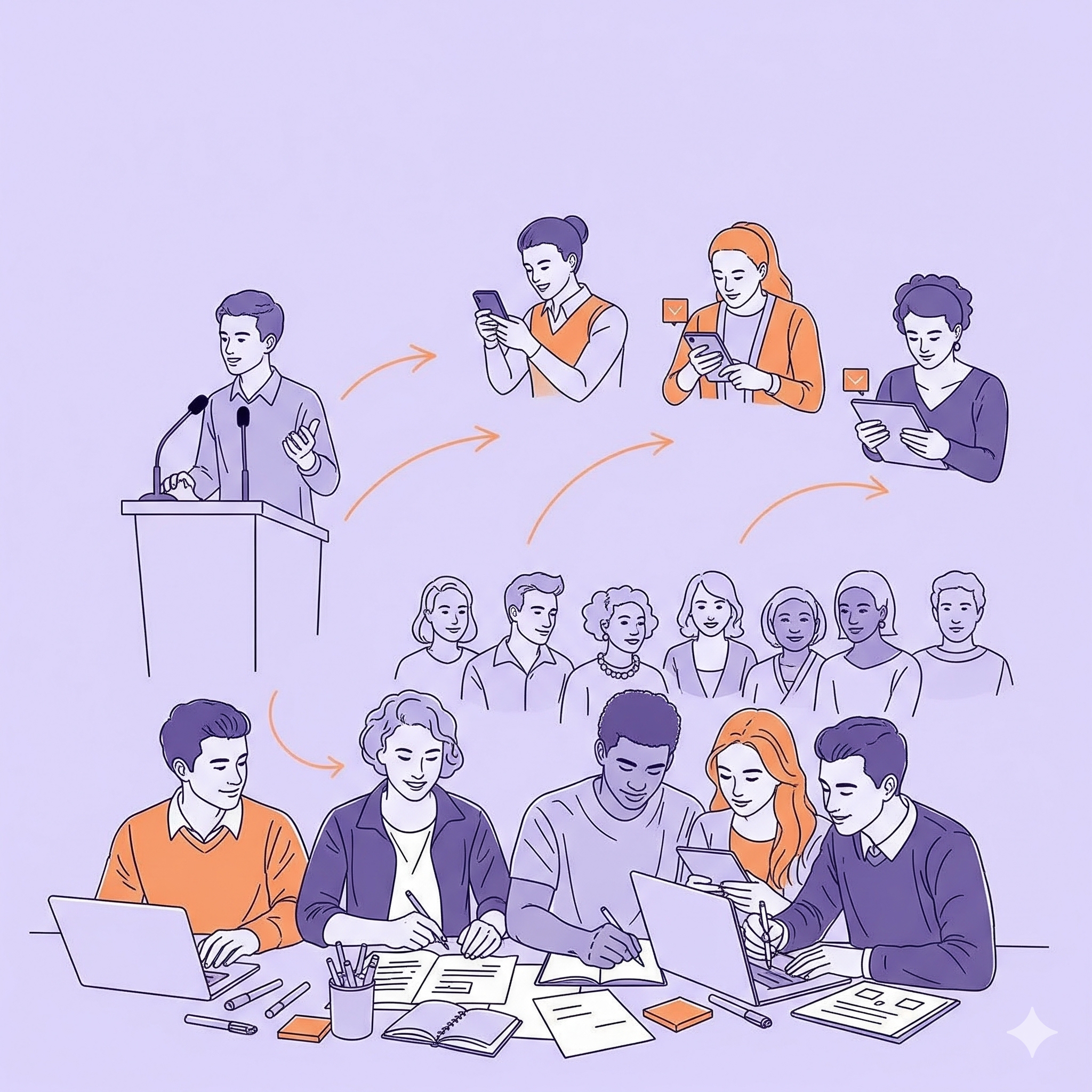
I worked at a nonprofit that made a strategic decision to create formal roles for youth ambassadors around the world. These weren't honorary positions or token representation. We empowered young people to genuinely represent the organization and hold local events, fundraisers, informational sessions, and share their involvement online with their friends and families.
Drawing from my experience as a high school teacher, I knew that young people have much more to give when they have a genuine sense of responsibility and ownership in the outcomes. Too often, organizations underestimate youth capabilities and limit their contributions to basic tasks rather than meaningful leadership opportunities.
The ambassador program exceeded our expectations in every measurable way. The initiative led to hundreds of volunteers becoming integral parts of a truly global community. More importantly, it set them up for a lifetime of commitment to the nonprofit and its mission.
These young ambassadors didn't just participate in our programs. They created new initiatives, recruited their peers through authentic advocacy, and built local networks that expanded our reach in ways we never anticipated. The authenticity of their engagement created ripple effects that no adult-led marketing campaign could replicate.
This worked because we avoided the trap most nonprofits fall into. Most organizations approach youth volunteers with good intentions but limited vision. They appreciate young people's enthusiasm while restricting their contributions to safe, low-impact, repetitive, and canned activities. This wastes enormous potential and frustrates ambitious young people who want to create meaningful change.
The pattern is familiar: a young person signs up excited to make a difference, gets assigned to fold brochures or check people in at events, and quietly drifts away after a few months. Organizations then wonder why they can't retain young volunteers. The answer is obvious -- they never gave them a reason to stay.
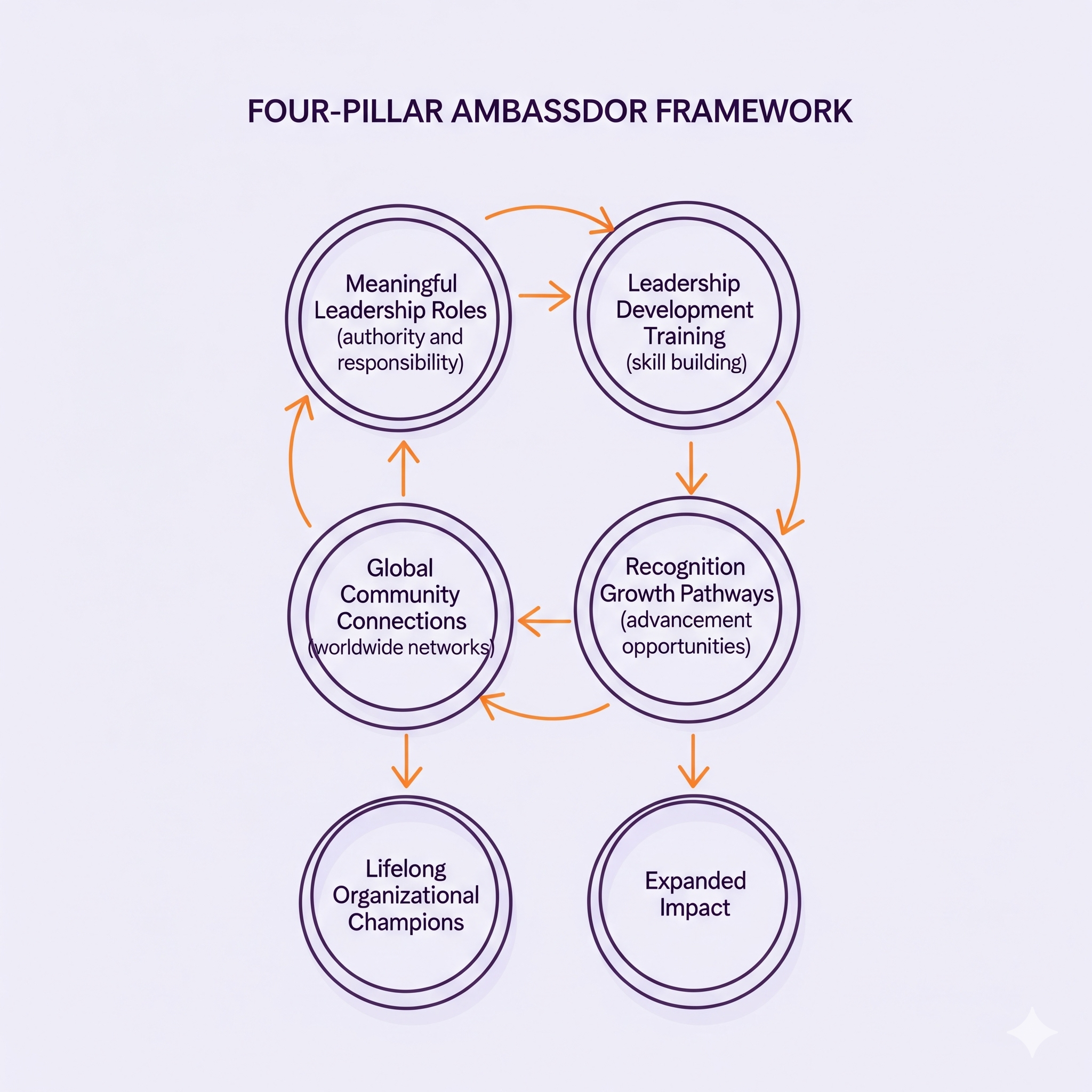
When young people feel trusted with real responsibility, their engagement shifts completely. In our ambassador program, we saw young people who had been quiet volunteers suddenly step up to organize campus events, lead fundraising drives, and recruit dozens of their peers. They didn't need to be managed. They needed to be trusted.
One thing that surprised us was the long-term effect. Many of our early ambassadors stayed connected to the organization years later -- as donors, as advocates, as professionals who carried the mission into their careers. The experience of being taken seriously at a young age left a lasting mark.
The difference between a volunteer program and an ambassador program comes down to one thing: do young people have real decision-making power, or are they executing someone else's plan? When we gave ambassadors the authority to choose their own events, set their own goals, and represent the organization in their own voice, they brought a creativity and energy that we could not have designed from the top down.
Looking back, the biggest lesson was how much we almost left on the table by treating young people as helpers instead of leaders. When we stopped managing their contributions and started trusting their judgment, they built something far bigger than we had imagined. The ambassador program taught me that the best way to earn a young person's long-term commitment is to give them something genuinely worth committing to.