A struggling board doesn't have to stay stuck. But it won't fix itself, either. The key isn't finding perfect people -- it's creating the conditions where good people can do meaningful work for your mission.
I was part of a nonprofit where the board had gradually grown stale and disengaged over several years. What started as an energetic group of passionate supporters had devolved into reluctant attendees going through the motions. Meeting attendance was sporadic, strategic discussions were rare, and most board members seemed unclear about their actual responsibilities beyond writing annual checks and rubber-stamping plans.
After the resignation of several key board members due to disengagement, we recognized the need to revamp and re-energize our entire governance structure. Instead of continuing to hope things would improve naturally, we made the difficult decision to bring in a professional consultant who could provide objective assessment and reform guidance.
The consultant helped us identify key roles that needed to be filled, specific directives to focus our efforts, and much clearer expectations for meaningful board member engagement. Instead of trying to make the best of whoever we could get to join our board, we made a wishlist of capacities and experiences. The difference was stark. Now we had something to work with. We knew what we needed. The process included exploring and ultimately adding new people specifically targeted for their expertise to fill strategic gaps we had identified through careful analysis.
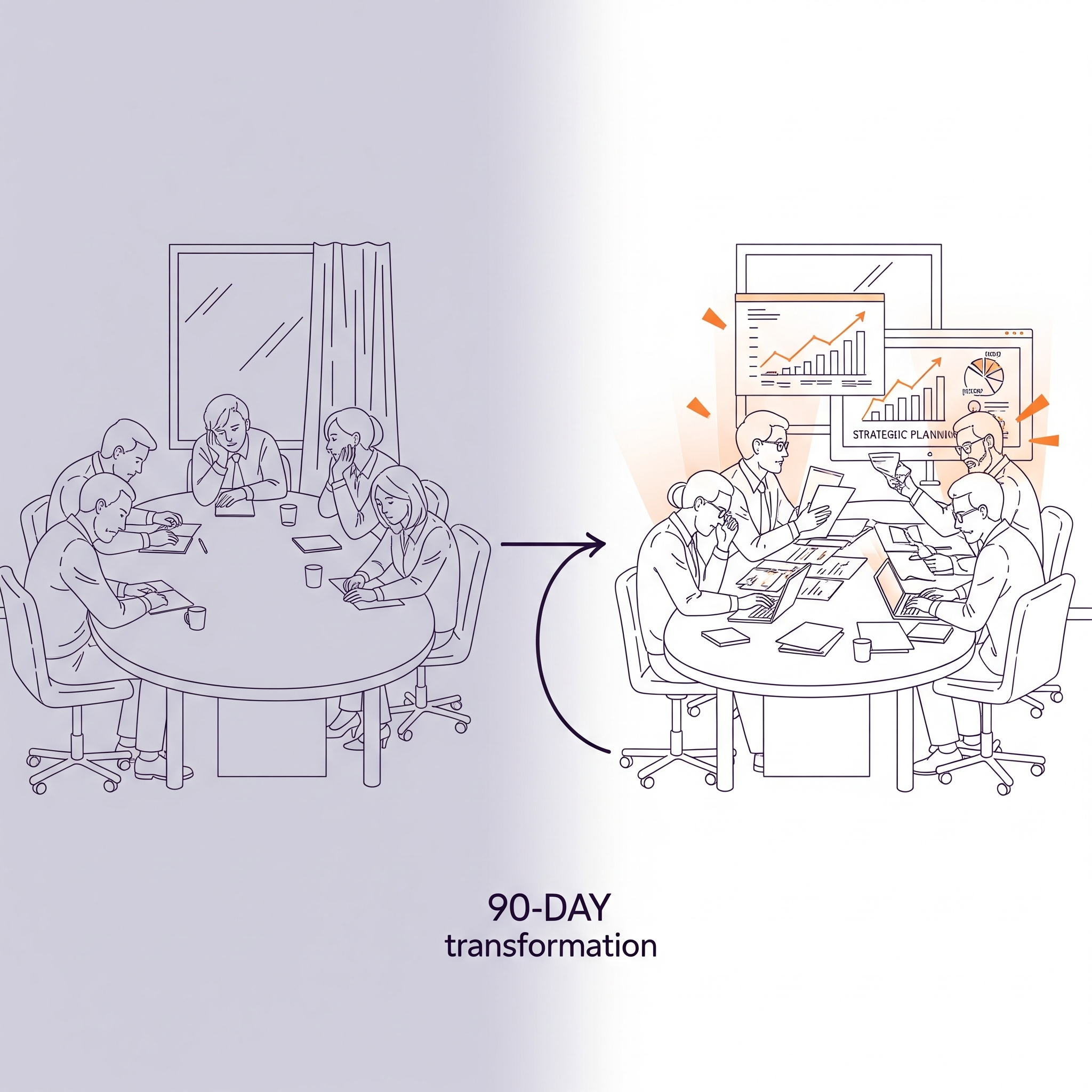
The transformation was remarkable. Within 180 days, we had moved from a collection of well-meaning but disengaged individuals to a cohesive strategic leadership team. The experience totally changed the dynamic of the board and prepared our organization for the next stage of evolution with much stronger leadership and clear strategic direction.
Why had it happened? Most board dysfunction stems from unclear expectations and poorly defined roles rather than individual incompetence. When people don't understand what's expected of them, even highly capable individuals will underperform.
Traditional board recruitment often focuses on availability, prestige, connections, or financial capacity while ignoring strategic skill gaps. This approach creates boards that look impressive on paper but lack the specific expertise needed to guide organizational growth effectively. Without honest assessment of current gaps and explicit agreement about future expectations, even well-intentioned reform efforts fail to create lasting change.

The first step was honest assessment: surveying current board members about their satisfaction, clarity of expectations, and desired level of involvement. The results confirmed what we already suspected -- most people wanted to contribute more but didn't know how.
Next, we created specific role descriptions based on what the organization actually needed, not generic "board member" responsibilities. We identified the exact skills and experience required to fill our gaps, then recruited targeted people with those competencies. When we told prospective members exactly what we needed from them and why, the quality of candidates improved dramatically.
Finally, we redesigned how we worked together. Committee work was restructured around individual strengths. Strategic planning sessions replaced administrative updates. We built in accountability so board members could see the direct connection between their contributions and organizational outcomes.
Board revival isn't a one-time fix. We established regular evaluation cycles and built onboarding systems for new members that clearly communicated expectations from day one. We celebrated strategic wins and kept reconnecting board work to mission impact so nobody lost sight of why they were there.
The biggest takeaway from the whole experience was that our original board wasn't made up of bad people -- they were good people in a bad structure. Once we gave them clarity about their roles, matched them to work that used their actual strengths, and held everyone (including ourselves) accountable, the same kinds of people who had been disengaged became our most passionate advocates. The structure made all the difference.