Capturing Stories in Challenging Environments: How Authentic Documentation Transforms Impact Communication

Learn how thoughtful documentation and authentic storytelling can transform both your content quality and your community relationships. Discover strategies for capturing compelling stories even in challenging environments while building genuine partnerships with the communities you serve.

Authentic Documentation and Storytelling

Your nonprofit's most powerful stories aren't hiding in your board rooms, fundraising events, annual reports, or grant applications. They're living in the communities you serve, waiting to be told with dignity, authenticity, and collaboration. The organizations that create the most compelling impact content understand that great storytelling isn't about extracting narratives from beneficiaries. It's about building genuine partnerships that honor community voices while documenting real transformation.

When you approach storytelling as collaboration rather than collection, something remarkable happens: your content becomes more authentic, your relationships grow stronger, and your impact communication transforms from organizational promotion to community celebration.

The Journey That Became the Story

We explored creating professional videos for a nonprofit that was supporting educational projects around the world. Many of the projects were in remote locations or occasionally unstable areas, which created significant logistical and safety challenges for our documentation efforts.

Indeed, we had a high quality filmmaker who expressed interest in working with us. But we were hesitant. It felt risky to send a lone female videographer into some of these areas with tens of thousands of dollars in expensive equipment. The concerns were legitimate: equipment security, personal safety, cultural sensitivity, and the logistics of working in unfamiliar environments without local support systems.

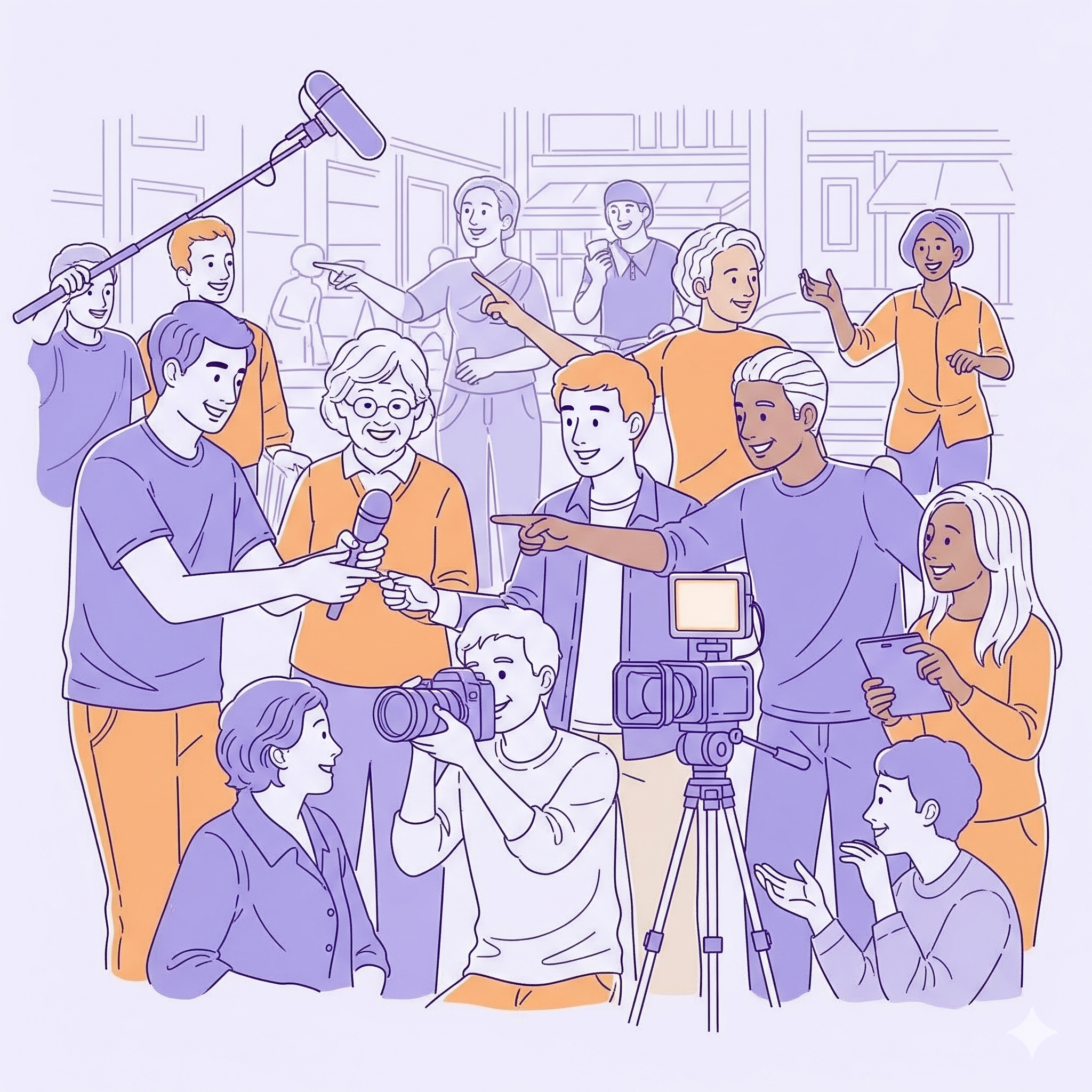
However, as we tested and explored her approach, we discovered something unexpected and transformational. This videographer made the journey itself part of the video project rather than just a means to an end. In the process, the local people became a part of the story, and they knew it. They became genuinely excited to participate in the process. They wanted to be interviewed, followed, and asked about their experiences with the issues our nonprofit projects were addressing.

This shift in approach gave us much richer, more authentic content than we had ever achieved through traditional documentation methods. Instead of staged interviews and scripted testimonials, we captured organic conversations, spontaneous moments, and genuine community dynamics that brought our impact stories to life. It also gave us a wide network of people who were invested in seeing the project safely conducted. People knew the story of their towns were going to be told to the world, and they went above and beyond to keep our filmmaker safe and secure in your adventure.

The storytelling became collaborative rather than extractive, creating partnerships that extended far beyond the documentation process itself.

Why Extractive Storytelling Fails Communities

Too often, traditional nonprofit documentation treats communities as content sources rather than creative partners. This approach often produces generic testimonials that fail to capture the complexity, dignity, and authentic voice of the people being served.

"The most powerful nonprofit stories are those that give voice to the communities being served, not just the organizations serving them," explains the Stanford Social Innovation Review editorial team.

Yet many organizations continue approaching storytelling from an institutional perspective that centers the nonprofit rather than the community impact.

The statistics reveal the engagement advantage of authentic storytelling. In my experience, video content featuring authentic beneficiary stories generates more engagement than organizational overviews because real people sharing genuine experiences create emotional connections that polished promotional content cannot replicate.

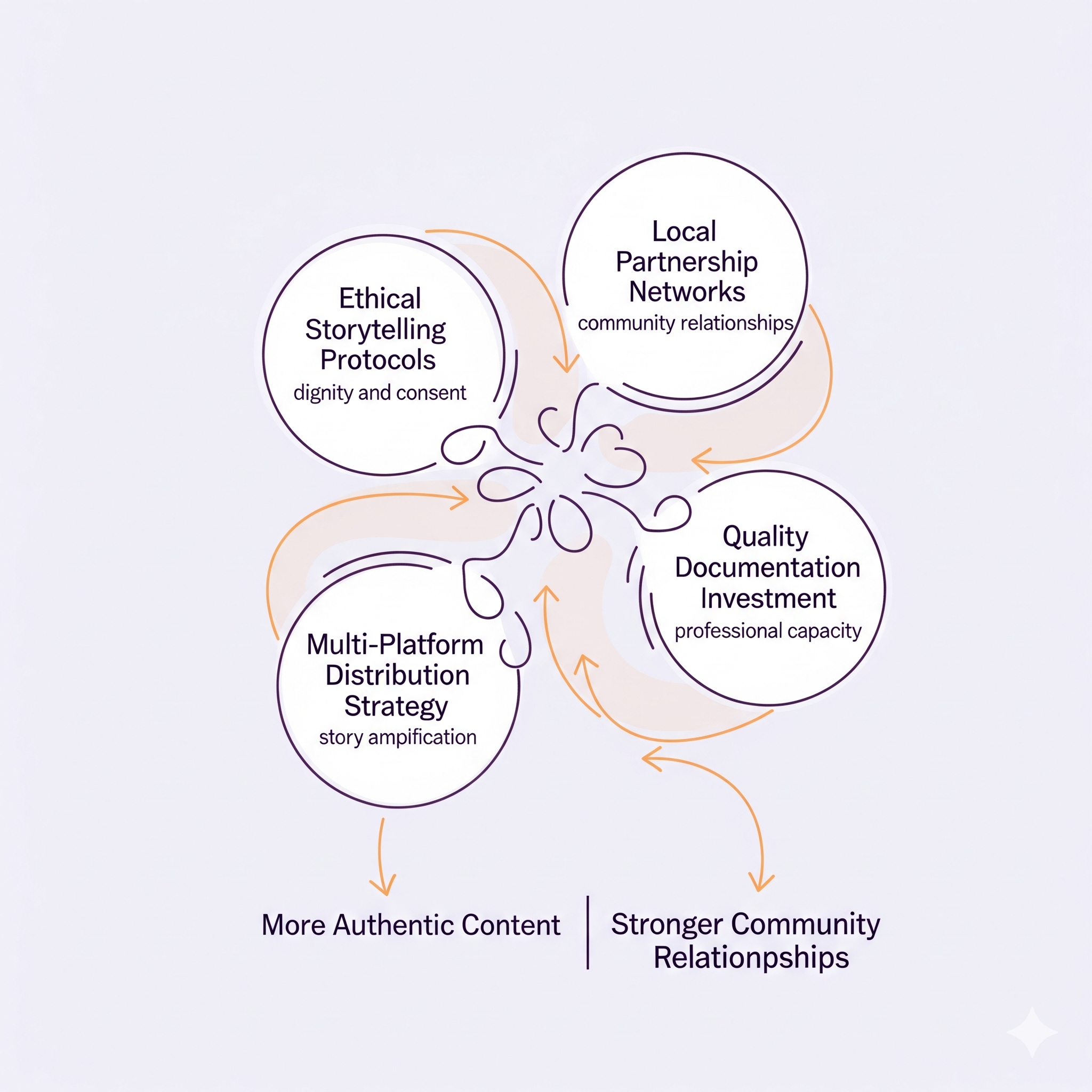
Collaborative Documentation Framework

The Collaborative Documentation Framework

Ethical Storytelling Protocol Development

Ethical Storytelling Protocol Development creates guidelines for respectful documentation that prioritizes beneficiary dignity and informed consent.

"Authentic storytelling requires building genuine relationships with beneficiaries and including them as partners in the narrative creation process," notes Net Impact research findings.

This framework ensures that community members understand how their stories will be used, have input in the narrative development, and maintain control over their personal information and image.

Local Partnership Network Building

Local Partnership Network Building establishes relationships with community members who can facilitate authentic story collection while providing cultural context and ongoing support. These partnerships transform documentation from external extraction to internal collaboration.

Quality Documentation Investment

Quality Documentation Investment develops internal capacity for professional-quality content creation that honors the importance of the stories being told.

"Documentary-style content that shows real people and real impact creates emotional connection that statistics alone never can," confirms Nonprofit Marketing Guide.

Multi-Platform Distribution Strategy

Multi-Platform Distribution Strategy designs systems for maximizing story impact across websites, social media, presentations, and media outreach while maintaining consistency with ethical storytelling commitments.

The Engagement and Retention Advantage

The business case for collaborative storytelling extends far beyond content quality. Nonprofits that regularly share transformation stories see 45% higher donor retention rates because authentic narratives create deeper emotional connections between supporters and mission impact.

Perhaps most importantly for organizational growth, high-quality documentary content increases media coverage opportunities because journalists and media outlets recognize authentic community stories as more newsworthy than organizational promotional content.

"The key to compelling nonprofit content is showing transformation through individual stories while respecting dignity and privacy," notes the Chronicle of Philanthropy.

When organizations master this balance, they create content that serves both communication goals and community relationships.

Your Authentic Storytelling Strategy

The most powerful nonprofit stories emerge from genuine partnerships with the communities being served. When organizations approach documentation as collaboration rather than extraction, they create content that honors community voice while effectively communicating organizational impact.

Ready to transform your storytelling from extractive documentation to collaborative partnership? Radiance Management provides comprehensive tactical marketing services and strategic consulting support specifically designed to help nonprofits develop authentic storytelling approaches that build genuine community relationships. Our full-service marketing agency capabilities include professional content creation, compelling copywriting, and strategic communications that center community voice while effectively advancing organizational mission. Additionally, our strategic consulting services help organizations build internal capacity for ethical storytelling and sustainable community engagement that creates lasting partnerships.

Ready to Transform Your Storytelling Approach?

Our comprehensive marketing services help nonprofits develop authentic storytelling strategies that build genuine community partnerships while creating compelling impact communication.

Schedule a Strategic Assessment