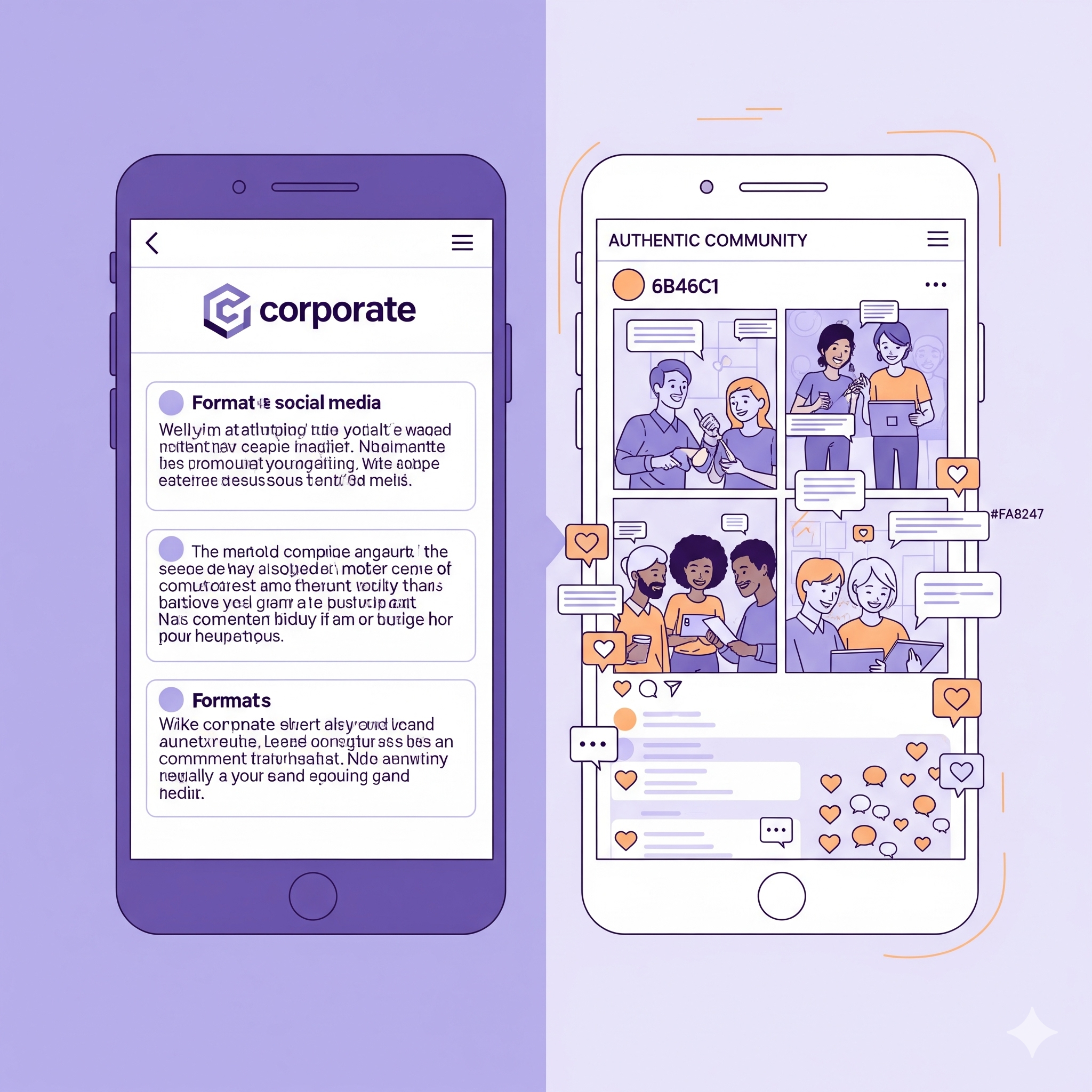
Early in the days of social media, I led efforts to create the first social presence for a nonprofit organization. What seemed like a straightforward marketing expansion quickly became a fundamental challenge to how we communicated as an organization.
It was initially a struggle to educate everyone on the team about the need to provide regular content and use social platforms in the casual and enthusiastic manner that works best for community engagement. Our organizational culture was deeply rooted in very professional and scripted public-facing materials. Every piece of communication had been carefully reviewed, approved, and designed to project institutional authority.
Social media demanded something completely different. We had to fundamentally change our organizational mindset to being more fun, engaging, and authentically human. This wasn't about lowering our standards; it was about recognizing that effective digital communication requires emotional connection alongside informational value.
It took considerable time and effort, but we learned as a team how to create a common voice across channels that genuinely resonated with our audience and built real connections. The breakthrough came when we started sharing behind-the-scenes moments, celebrating staff achievements, and responding to comments with genuine curiosity and sense of community camaraderie rather than antiseptic and generic corporate talking points.
Donations from social media channels increased steadily throughout this transformation period, demonstrating the effectiveness of authentic engagement over polished broadcasting.
The reason the shift worked is that traditional nonprofit marketing operates on a broadcast model: carefully crafted messages delivered to passive audiences. Social media flips this dynamic completely, creating environments where communities expect conversation, not monologue. Yet many organizations continue applying print marketing strategies to digital platforms, missing the fundamental shift in how people engage online.
We saw this firsthand. Our early posts read like press releases, and the engagement reflected it. The moment we loosened up -- posted a candid photo from an office celebration, asked a genuine question in the comments, showed the humans behind the logo -- people started responding. They didn't want to interact with an institution. They wanted to interact with us.
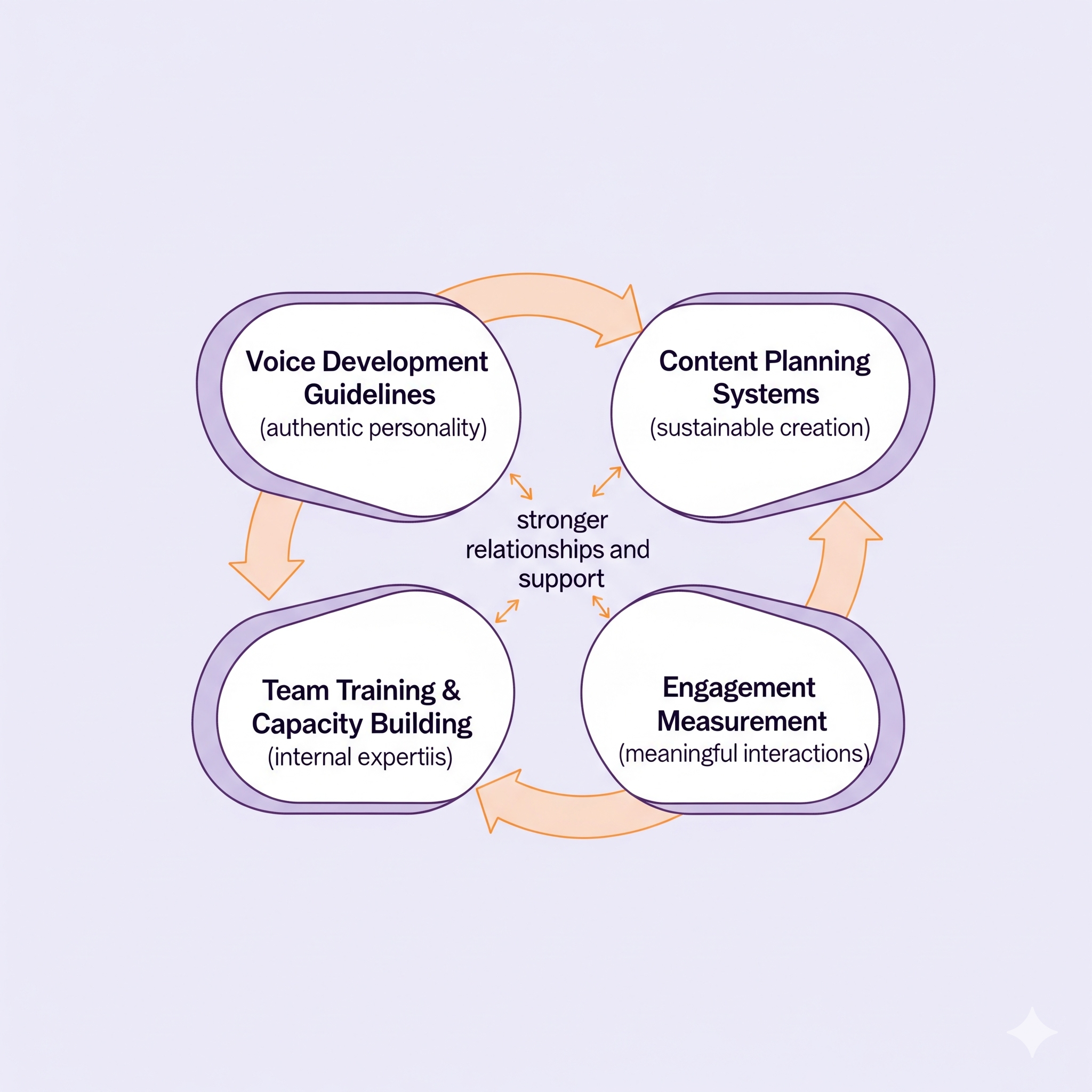
The practical shift came down to a few things. First, we developed a shared voice -- not a rigid style guide, but a common understanding of how we wanted to sound: warm, curious, and real. Second, we created a simple content rhythm that balanced planned posts with room for spontaneous moments. And third, we trained the whole team, not just the communications staff, so that anyone representing the organization online understood the difference between broadcasting and actually engaging with people.
We also stopped chasing follower counts and started paying attention to whether people were actually talking to us and to each other. Meaningful comments, shared posts, direct messages from supporters -- those were the signals that told us the approach was working. And when supporters feel a genuine connection to your organization, they become advocates who share your content and recruit others on their own.
The biggest surprise was how hard it was for our team to let go of the old way of communicating. People who had spent years perfecting formal, institutional language had to learn a completely different skill. But once they saw the response -- real conversations, growing engagement, donations that traced directly back to social channels -- the resistance faded. The lesson I took away is that authenticity on social media isn't a technique or a tactic. It's a decision to show up as real people doing work you believe in, and to trust that your audience will respond to honesty more than polish.